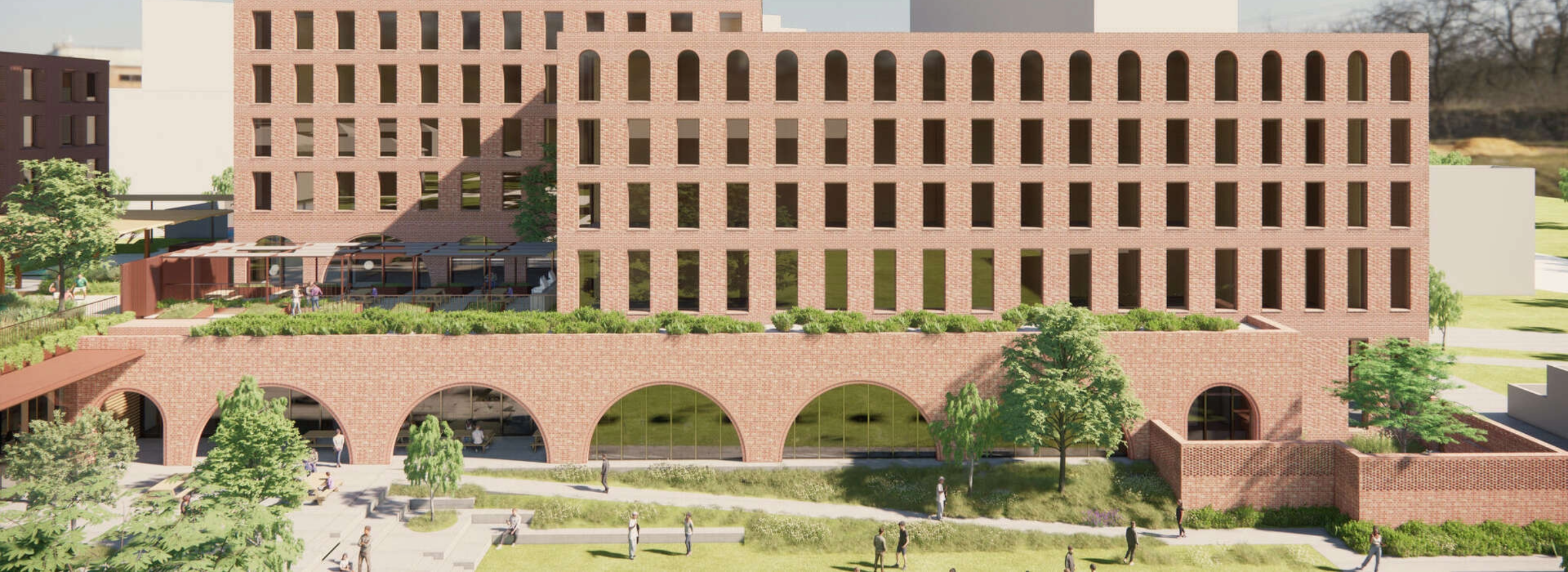
This fall, the Rice campus will welcome the first matriculating class of Chao College, marking an exciting new era for residential college life. Preparations for this moment actually began long ago, beginning with conversations about the college's identity.
“From the beginning, we spent long hours with students, staff and faculty asking who Chao is and who it wants to be,” said Luis Duno-Gottberg, one of Chao College’s founding magisters alongside his wife Angela. “We talked about our spaces: how they look, how they are used, who they belong to and how they invite people in. A residential college is not simply a building you open. It is a living community built slowly and collaboratively.”
While launching a college involves extensive logistical planning, Duno-Gottberg, Lee Hage Jamail Professor of Latin American Studies, said the deeper goal has always been creating an environment where students can grow personally, intellectually and professionally.
“The residential college is one of the most powerful instruments a university has for that work,” he said. “It is a place where friendships, ideas and responsibilities grow side by side, and where students learn what no classroom can teach.”
Shaping Chao’s identity, he emphasized, has been a collective effort. From tiles and colors to room assignments and traditions, each decision has emerged through collaboration among students, faculty and staff.
“The students brought honesty and imagination,” Duno-Gottberg said. “Faculty and staff brought institutional memory, perspective and a deep commitment to mentorship. Together, those contributions created something that feels both connected to Rice traditions and distinctly its own.”
That collaborative model is rooted in Rice’s residential college system and its emphasis on student leadership and shared governance. “Shared governance, to my mind, is not a structure. It is an ethic,” Duno-Gottberg said. “It rests on the conviction that students are co-creators of institutional life, not simply people passing through it.”
He has seen that ethic take shape before, first as founding magister of Duncan College and later as magister of Baker College. Those experiences, he said, reinforced what he hopes Chao will become.
“It gives rise to organic communities of learners, communities grown not by design but from shared purpose, mutual trust and the everyday work of building something together,” he said. “That, more than anything else, is what I hope Chao becomes: a place where leadership is understood as stewardship, and where the experience of governing alongside one's peers shapes students into thoughtful, engaged citizens of the wider world.”
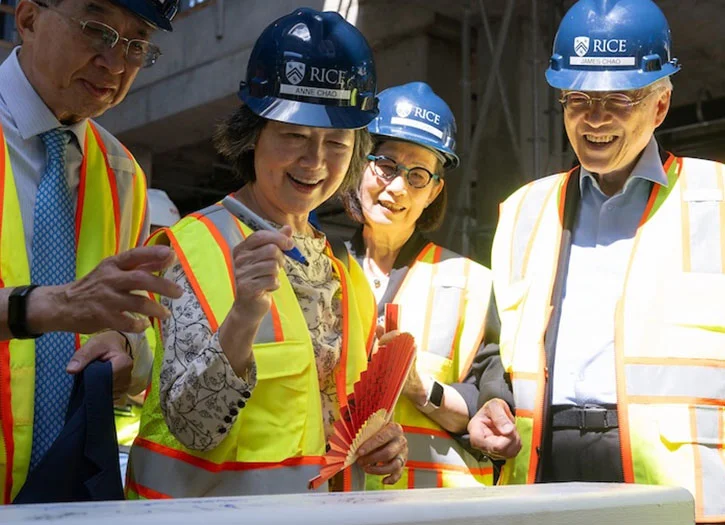
One of the most meaningful moments for Duno-Gottberg has been hearing students speak about Chao not as a future project, but already as their college.
“I always say there is something almost alchemical about how a residential college becomes a community,” he said. “At Chao, that process is already taking shape before our first O-Week. What has moved me most is how quickly people invest intellectually and emotionally in a place once they feel genuinely invited to belong.”
That feeling of Chao already existing as a community extended beyond words into action, shaping how students were recruited and invited to take part in building the college. Tamara Jones, co-chair of Chao College’s founding committee and its first resident associate, focused on balancing representation across residential colleges and class years.
When recruiting rising sophomores, juniors and seniors, students were asked to reflect on both their reasons for transferring and their interest in leadership roles. “Students shared a range of reasons for transferring, including excitement about building a new college community and helping shape its culture from the ground up,” Jones, student services administrator in the Division of Student Life and Undergraduate Education, said.
Before applications opened, Jones and the magisters worked closely with the Chao College Founding Committee, a group of students from different colleges, class years and backgrounds. “Together, we established the college colors, mascot, elements of the building design, government structure, social media and initial floor culture guidance,” Jones said.
Transfer students have already begun shaping what comes next, contributing ideas for traditions, events, academic and cultural programming, food and the college website.
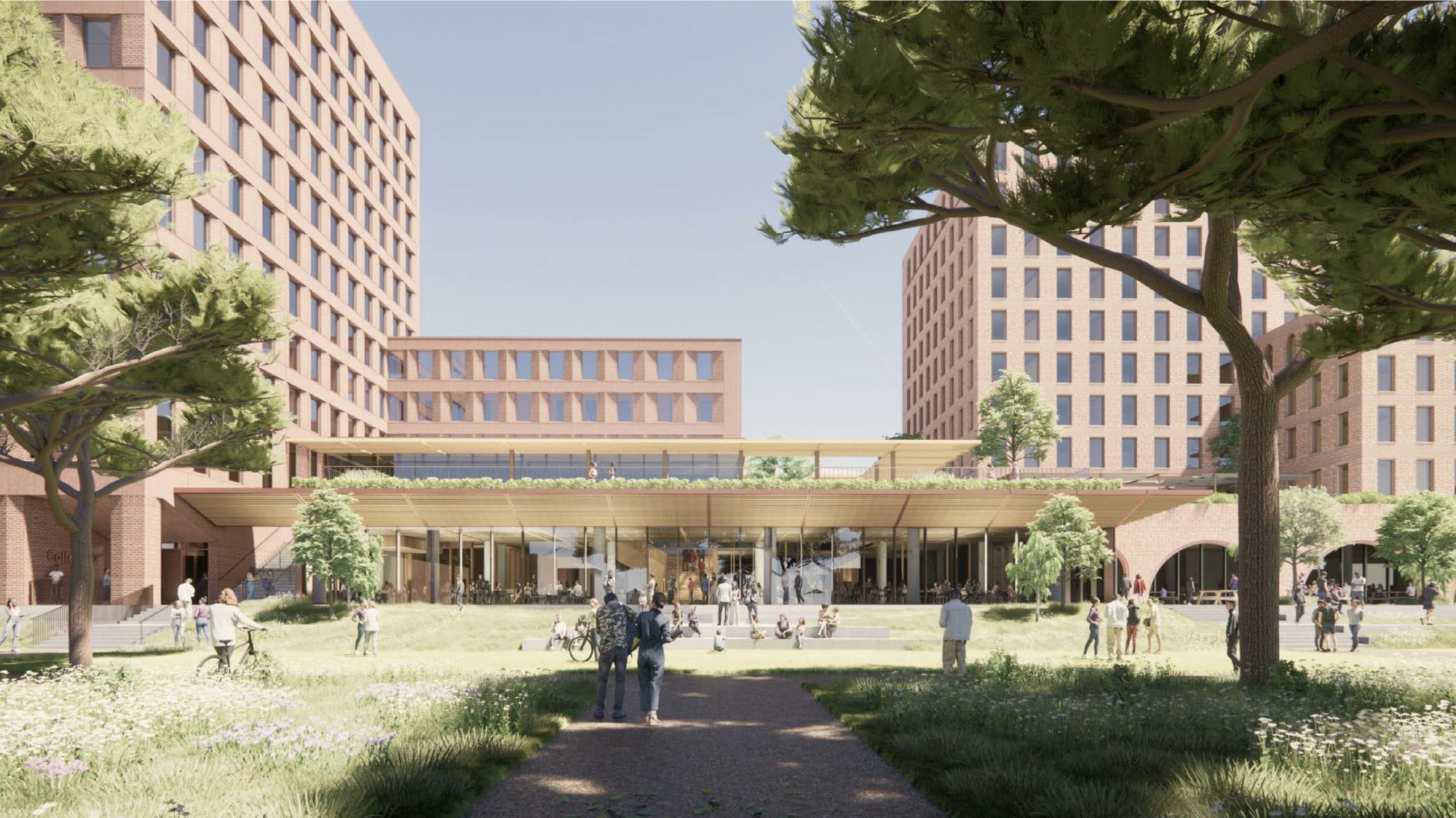
For Jones, one of the most meaningful parts of the process has been the students themselves. Through study breaks, mixers and advisor training, she has watched them step into leadership roles and begin to define their community in real time. “Hearing them talk to each other, present their perspectives and negotiate viewpoints has been a joy to witness so far,” she said.
She added that students are already focused on ensuring future Chao students feel welcomed and included.
“They mention principles of inclusivity, of looking out for those who may not have been heard and incorporating a piece of everyone here to make Chao College a strong community,” she said. “They're already working hard on that before we even have the physical structure of the building complete, so I know these efforts will pay off when the newest members of Chao College arrive.”
Rice Parents & Families
6100 Main St. - MS520
Houston, Texas 77251-1892
Phone: 713-348-4057
Email: parents@rice.edu